- Home
- School Life
- News
- My Lessons from Auschwitz journey
My Lessons from Auschwitz journey
Learning the power of personal stories
By Ella Toney, Y13
March marks the beginning of spring, a season of hope and new life. It’s also a month quietly set aside to honour achievement and resilience, as we celebrate Women's History Month. To me, Women’s History Month is an opportunity to recognise progress, but also to highlight the stories of women who shaped history, even in its darkest moments.
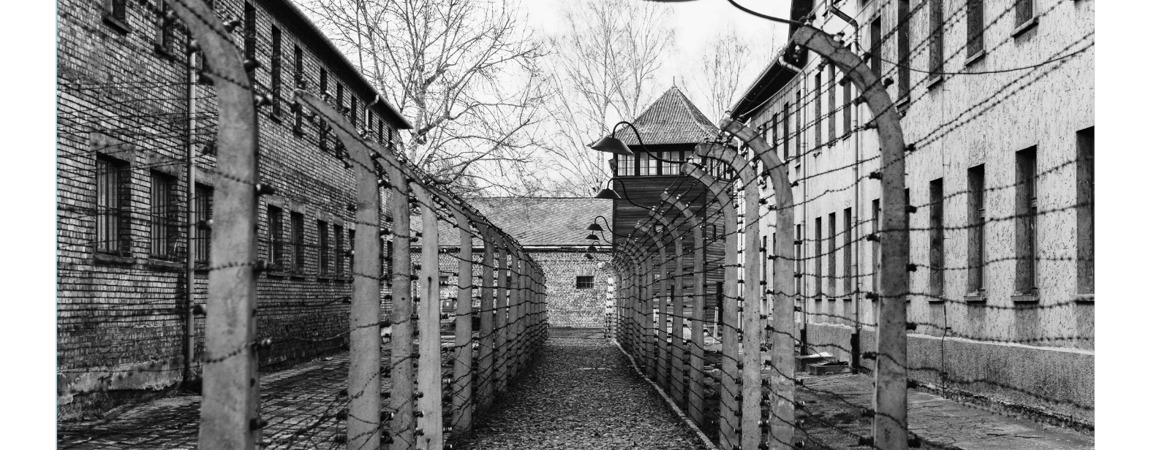
That’s why, this March I’ve been thinking of the women who survived the Holocaust, those who lost their lives in the face of this unimaginable hatred, and those who resisted, never wavering in their resolve to stand up for their beliefs.
History reminds us that the cement is never really dry; even as time passes, it can be reshaped by the stories we recover. Irena Sendler is one woman whose story I’ve come to learn of whilst taking part in the Lessons from Auschwitz programme.
A Polish social worker, Sendler was part of Żegota, working to rescue Jewish people during the occupation. Using her position, she smuggled more than 2,500 Jewish children out of the Warsaw Ghetto, hiding them in orphanages, private homes and schools. In an effort to ensure they were still traceable by relatives, should they survive, she’d note down the children’s real names alongside their new forged identity and seal the lists in jars before burying them.
Perhaps what strikes me most is how close this story came to being lost. Despite the courage of those involved, members of Żegota were persecuted in post-war communist Poland, and for years their work went largely unrecognised. Women like Irena kept what they had done silent for fear of prosecution.
This is where three more somewhat unexpected figures arrive in this story. Sendler, known as “Jolanta” during the war, might have remained a largely unknown name if not for three American students, Elizabeth Cambers, Megan Stewart, and Sabrina Coons. In 1999, they came across a brief reference to her work and became determined her story be told. What started as a short newspaper clipping turned into a year long project, a play, Life in a Jar, and later inspired a book by Jack Mayer.
Their work is a reminder to me that history is not only preserved by those who live it, but also by those who choose to revisit it. Stories endure because people decide they matter. This is a key lesson I learnt whilst taking part in this programme, and it’s one I’m sure will stay with me forever. Elizabeth, Megan and Sabrina’s work is also a huge inspiration and example of how you are never too young to have an impact and to fight for what you believe in.
It is important to say that this is only a small glimpse into Irena Sendler’s story, and the rest has been told brilliantly by Jack Mayer here . This is a story that I have thought about a lot since I first read about it. Through my Lessons from Auschwitz journey, I’ve come to understand how powerful personal stories are in helping us connect with history. They remind us that behind every statistic are real people, real lives, and real legacies, and that, most importantly, it is our responsibility to remember them and make sure they are never forgotten.